Smart Hotels: How networking doors, windows and safety solutions is transforming the hospitality industry
The demands placed on hotels are changing rapidly. These days, guests expect far more than just a comfortable room. They want a hassle-free stay, high levels of security, personalised services and sustainability. At the same time, operators face challenges such as rising energy costs, a shortage of skilled workers and increasing regulatory requirements. The solution lies in intelligently networked technical building systems. Modern door, window and safety solutions form the basis for the smart hotel of the future. By intelligently networking building automation, access control and safety functions, it is possible to achieve lasting improvements in comfort, efficiency and sustainability.
Networked doors and windows offer greater convenience and efficiency
Pivot doors are becoming increasingly popular. They lend large, imposing entrance areas a sense of individuality and exclusivity. GEZE’s Axira pivot drive system enables the installation of large-scale systems and the automatic opening of even the heaviest doors. © GEZE GmbH
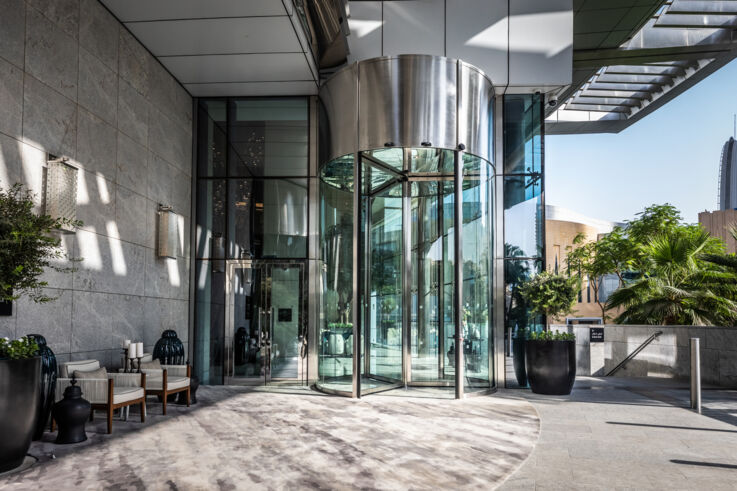
The first impression of a hotel is formed as soon as you step into the entrance area. Automatic door systems provide guests with convenient, barrier-free access, ensuring a positive experience upon arrival. Particularly impressive solutions such as automatic revolving doors or automatic modern pivot doors combine design, comfort and functionality. They help visitors find their way around the building intuitively and, in the case of revolving doors, also contribute to energy efficiency by reducing heat loss in the entrance area. Networked windows play an important role in guest rooms. When integrated with the building automation, windows, air conditioners and ventilation systems can communicate with one another intelligently. If, for example, a window is opened, the air conditioning can be adjusted automatically. This creates a comfortable indoor climate whilst optimising energy consumption. The result is a smart hotel that offers guests the highest level of comfort whilst also being more cost-effective to run.

Predictive maintenance: Preventing breakdowns and reducing operating costs
Networked doors and windows lay the groundwork for predictive maintenance. Running data is continuously recorded and analysed, enabling maintenance requirements to be identified at an early stage.
This offers hotel operators a number of benefits:
- less downtime
- greater operational reliability
- scheduled maintenance windows
- more efficient service calls
- lower running costs
Maintenance work can be carried out specifically during periods of low workload. Critical faults in day-to-day hotel operations are minimised, and the availability of key systems is guaranteed at all times.
To Service ContractsAccessibility and digital processes in the hotel industry
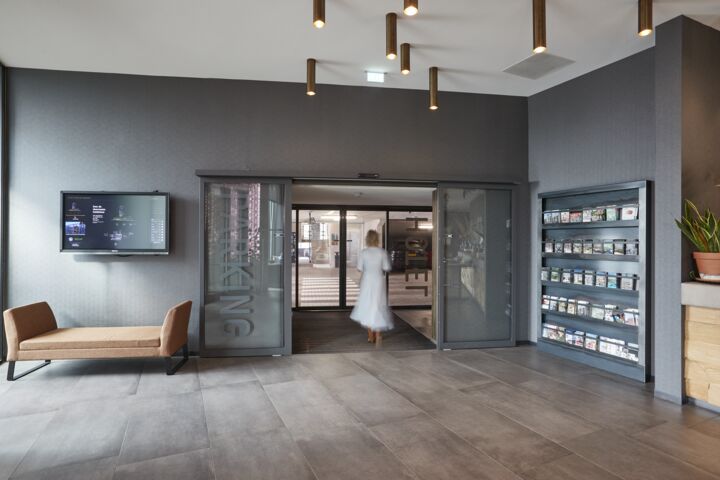
Automatic linear sliding doors such as the Slimdrive SL NT ensure accessibility and can be easily networked © GEZE Benelux
Accessibility is an essential part of modern hotel concepts. Automated door systems not only make it easier for guests with reduced mobility or heavy luggage to use the building, but also streamline internal processes. Thanks to smart sensors and automated movement sequences, service robots – which are increasingly being deployed due to a shortage of skilled workers – can navigate safely through the building. This opens up new opportunities, particularly in large hotel complexes or serviced apartments, to reduce the workload on staff and make service processes more efficient. Digital building management solutions also enable centralised monitoring of doors, windows and safety systems. Operators have a clear overview of the condition of their facilities at all times, can plan maintenance in a targeted manner and reduce the time and effort required for manual inspections. At the same time, valuable data is generated for sustainability and ESG reporting.
Successful building automation starts with a clear strategy
The possibilities offered by modern building automation are wide-ranging. A clear strategy is needed to ensure that the networking of doors, windows and other product groups actually adds value.
Key questions should be addressed even in the planning stage:
- Which processes should be automated?
- What data is actually required for operations?
- Which systems need to communicate with one another?
- How can future expansions be taken into account? Only on this basis can interfaces be defined effectively and systems integrated efficiently. This means that existing buildings can also be modernised in stages and integrated into smart building management systems.
Hidden technology for a perfect guest experience
The combination of aesthetics and functionality is essential in hotels. GEZE solutions blend discreetly into the overall design. © GEZE Benelux
The most beautiful way to say ‘welcome’: the Revo.PRIME revolving door, with its discreet drive, makes a sophisticated impression in the entrance area and can be integrated into the building automation control system. © GEZE GmbH
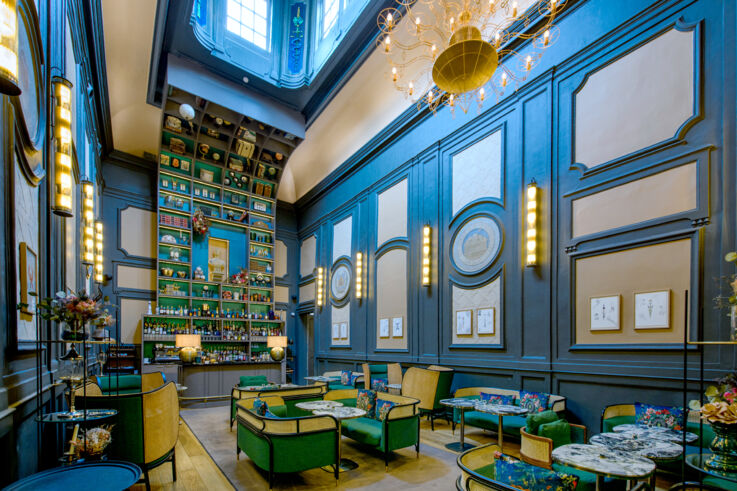
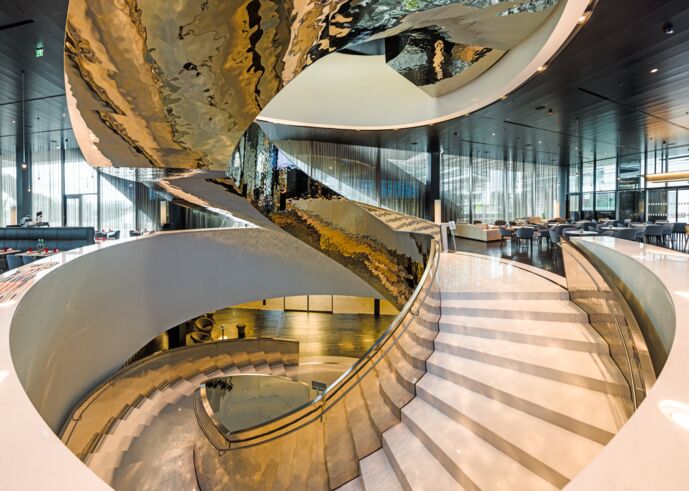
The best technology is the kind that guests hardly notice. Modern hotel technology must be intuitive to use and blend seamlessly with the architecture and design. Guests don’t expect operating instructions; they expect a familiar user experience. That is why intuitive user interfaces are so essential. Automatic door systems and smart access solutions offer convenience without the need for further explanation. Particularly in design hotels and high-end hospitality concepts, the combination of aesthetics and functionality is becoming a key competitive factor.
Interoperability as the basis for future-proof hotels
In modern hotels, numerous technical systems work together. Access control, building automation, security solutions, energy management and digital guest services must be able to communicate reliably with one another. Open standards such as BACnet or KNX lay the groundwork for cross-vendor networking. At the same time, standardised interfaces help to reduce the complexity of projects and ensure long-term investment security. The key factor here is early collaboration between all parties involved – from investors and planners to operators and technical subsections.
Digitalisation in the hotel industry: Which technologies truly add value
Not every technological innovation automatically improves the guest experience. The tangible benefit for guests and operators is what truly matters.
Key technologies for modern hotels include:
- smart access and door systems
- networked window and ventilation solutions
- digital building automation
- Internet of Things-based building management systems
- digital guest services
- smart safety solutions
The intelligent networking of these systems results in more efficient processes, lower operating costs and a higher standard of service. GEZE solutions are not limited to new buildings. With little additional effort, they can also be installed in old or existing buildings - and help save energy and money.
The future of the smart hotel lies in networking
GEZE’s building automation and control systems intelligently network doors, windows and safety solutions within the hotel – enhancing guest comfort, improving energy efficiency, optimising operational processes and creating a holistic and futuristic hotel experience. © GeZE GmbH
The hotel industry of the future is embracing smart networking. Automatic doors, networked windows and digital security solutions are becoming key components of modern hotel concepts.
Integration into higher-level building automation and control systems brings tangible benefits:
- greater comfort for guests
- greater energy efficiency
- streamlined operations
- easier maintenance planning
- greater security and reliability
Hotels that opt for networking of door, window and security solutions are not only creating smart buildings, but also a holistic guest experience that secures long-term competitive advantages.